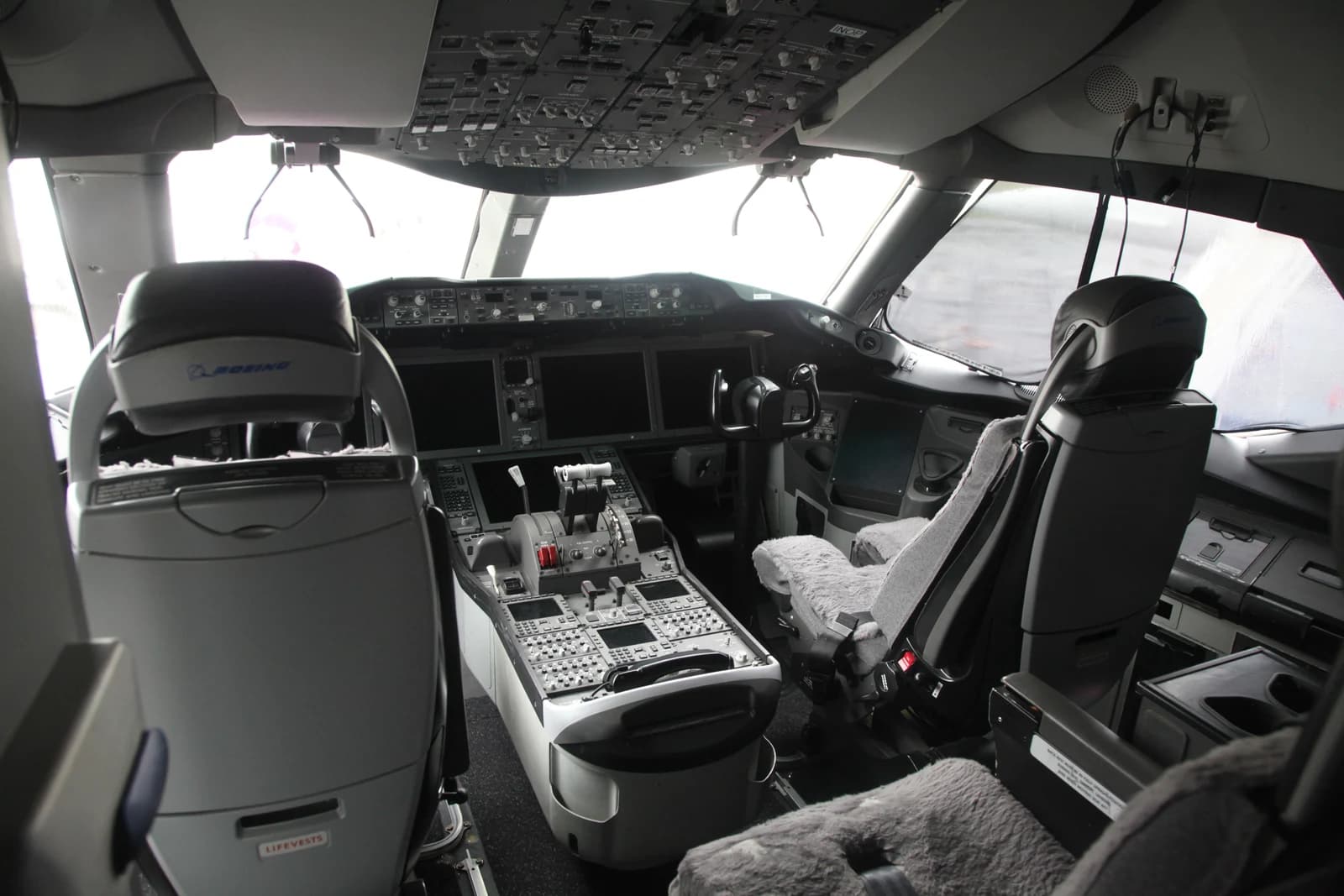
You are responsible for the aircraft, everyone in it, and every decision from pushback to parking brake.
Monthly, KES
180k – 900k
The captain and the dispatcher jointly sign the flight plan. You share legal responsibility for it.
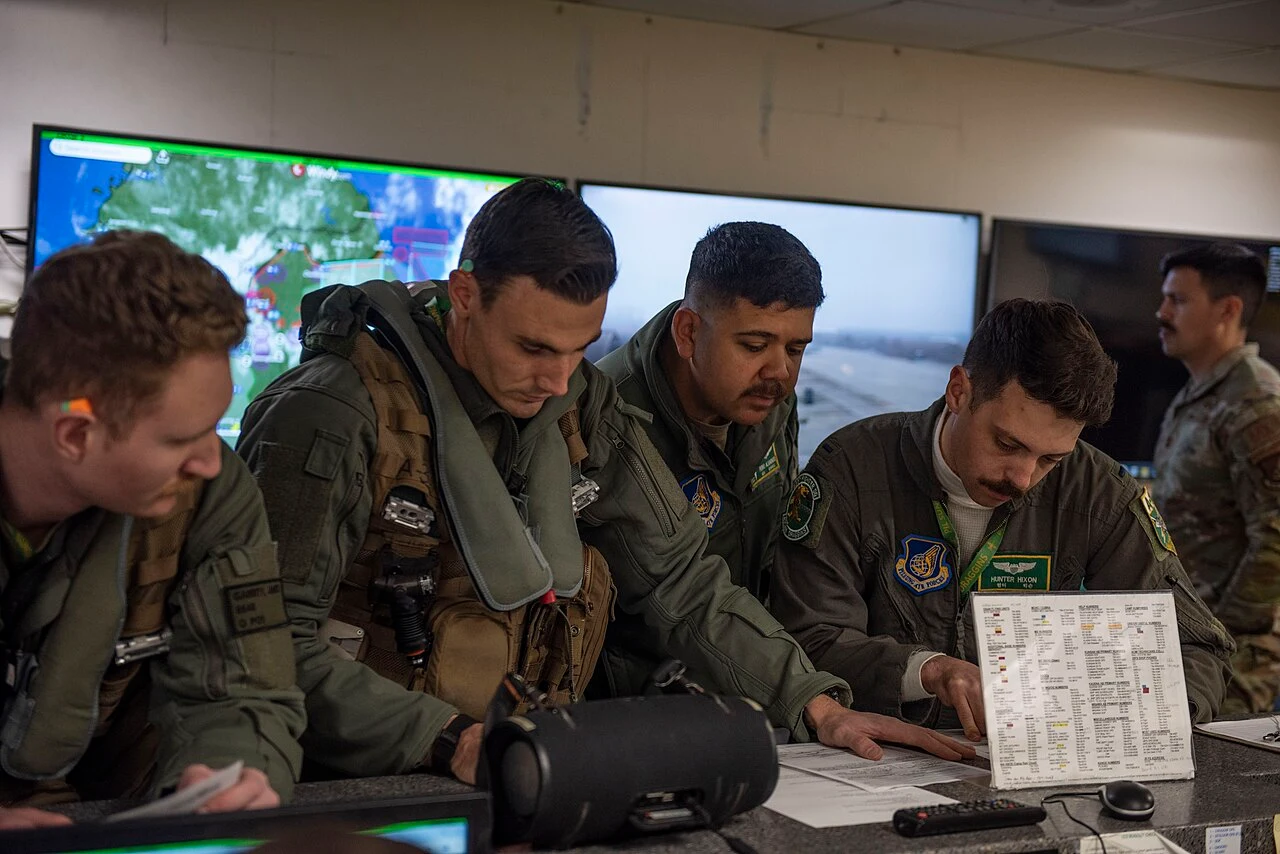
Flight dispatchers plan routes, fuel and payload, then monitor the flight and support the crew from the ground.
In most operations the dispatcher and the captain share responsibility for the operational flight plan. That means the route, the fuel, the alternates and the payload are your work as much as theirs.
You will balance a genuine optimisation problem under real constraints: carrying more fuel costs fuel; carrying less removes options. Weather, airspace closures, aircraft performance, runway length, crew duty limits and payload all interact, and the answer has to be legal, safe and commercially sensible.
Once the aircraft departs, you follow it. If something changes en route, you are the person on the ground working the alternatives.
Build the operational flight plan: route, levels, fuel, alternates.
Check NOTAMs, weather and aircraft performance against runway data.
Brief the crew and jointly agree the plan.
Monitor the flight and re-plan around an unexpected airspace closure.
Hand over active flights at shift change with full context.
KCSE C+ with Mathematics and Physics at C or above.
Flight Operations Officer / Flight Dispatcher licence course, typically 4–6 months.
Pass written examinations and obtain the Flight Operations Officer licence.
Begin in an operations control centre under supervision.
Build knowledge of specific fleet performance and route networks.
Dispatcher → Senior Dispatcher → Operations Control Centre Manager, or across into network planning and crew scheduling.
An excellent and under-advertised entry point into airline operations — shorter and far cheaper to train for than a pilot licence, with strong onward mobility.
You are responsible for the aircraft, everyone in it, and every decision from pushback to parking brake.
Monthly, KES
180k – 900k
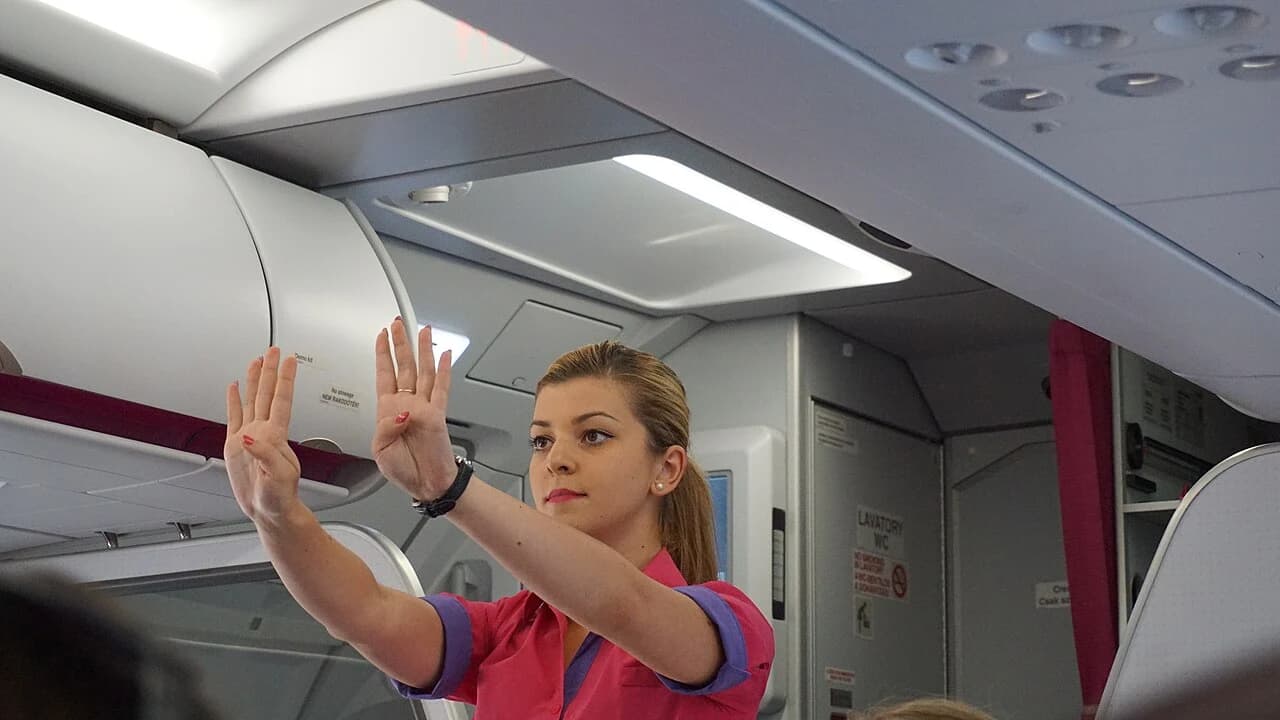
You are trained to evacuate 180 people in 90 seconds. Serving the drinks is the small part of the job.
Monthly, KES
60k – 220k
The fastest-growing aviation career in Kenya, and the one you can legally start closest to leaving school.
Monthly, KES
50k – 300k
We deliver these pathways in person, with someone who does the job standing at the front of the room.