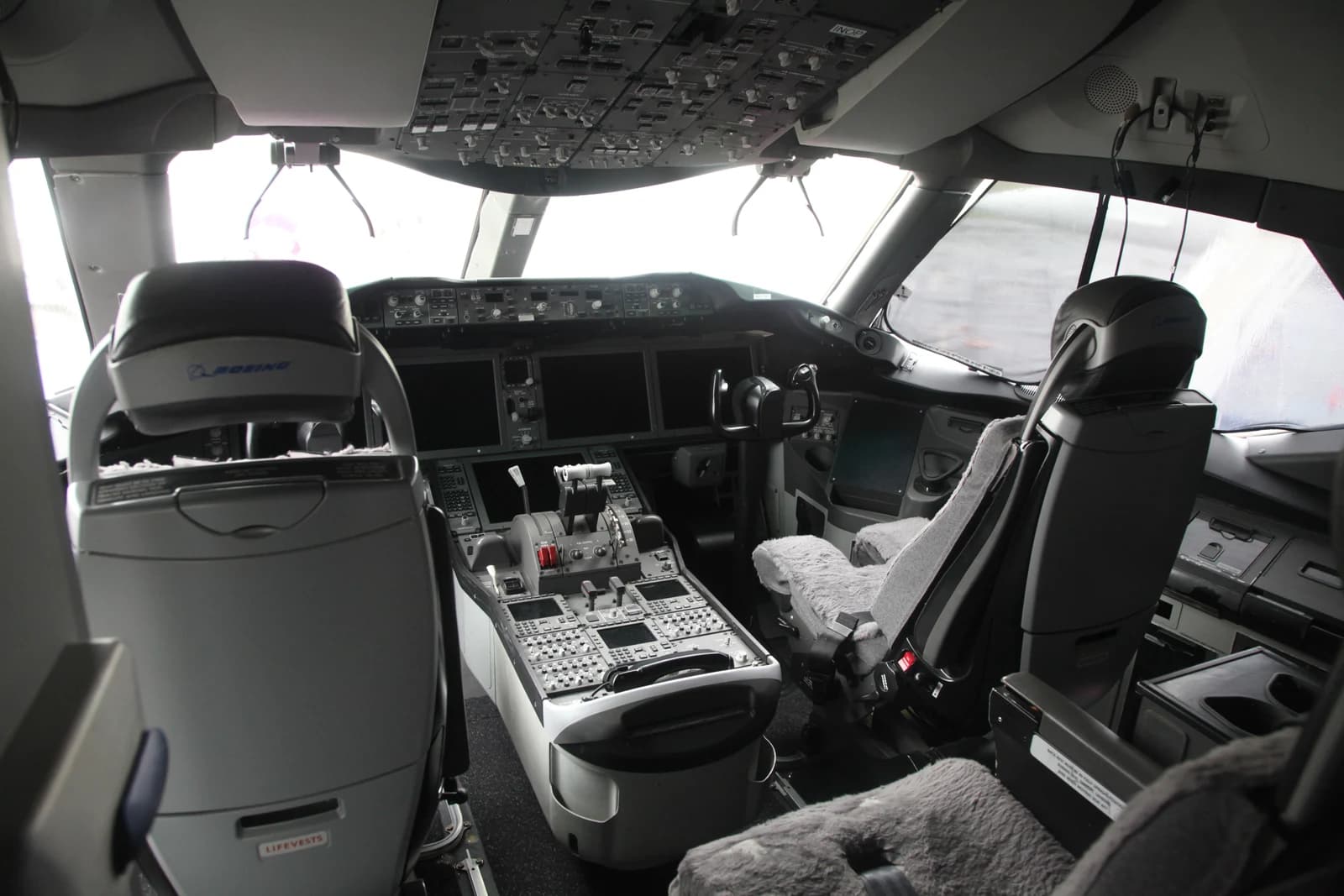
Pilot
Learn to fly safely, plan a journey and make decisions in the cockpit.
Courses, requirements & opportunitiesExplore more
Aviation awareness for Kenyan schools
EduWings brings aviation into primary and secondary classrooms — the science that holds an aircraft up, the fourteen careers behind every departure, and the exact route from a school desk in Kenya to a job in the industry.
12.4k+
Students reached
86
Schools visited
14
Career pathways mapped
31
Volunteer professionals
The problem
Pilot. Cabin crew. That is the average answer across eighty-six schools — 2.1 careers named, out of at least fourteen that put an aircraft in the air every single day.
This is not a failure of ambition. Students are not weighing a career as a licensed engineer and rejecting it. The option was never on the list. Exposure, not aptitude, is what decides which futures a child can picture.
Where we have reached
12.4k+
Students reached
Across primary and secondary schools since our first classroom visit.
86
Schools visited
From Nairobi county classrooms to schools that had never met a pilot.
14
Career pathways mapped
Each one connects school subjects with courses and career opportunities.
31
Volunteer professionals
Working pilots, engineers and controllers who give us their days off.
The programme
From a Kenyan sky full of birds to a sky full of aircraft in a single lifetime.
Four forces, one wing, and the end of the idea that flight is magic.
A small city that must never close, running on forty-five-minute deadlines.
Trigonometry with a destination — and a wind trying to push you off it.
The forecast is not a prediction. It is a decision someone has to sign.
Why aviation is the safest way to travel — and what every other industry learned from it.
The answer to 'when will I ever use this?', delivered at 900 kilometres per hour.
Fourteen careers, your actual subjects, and one line drawn between them.
What students actually do
School-based sessions include wing-building, route-planning and airport-operation activities. After the modules, we organise a separately quoted field trip to an aviation facility with simulators. Simulator activities take place at the host facility.
Browse every activityFour forces, one paper wing, and the moment physics stops being abstract.
Explore a simulator at an aviation training facility.
One aircraft. Forty-five minutes. Twelve teams who must not get in each other's way.
Twenty minutes with someone who does the job. No slides.
Fourteen pathways
Learn to fly safely, plan a journey and make decisions in the cockpit.
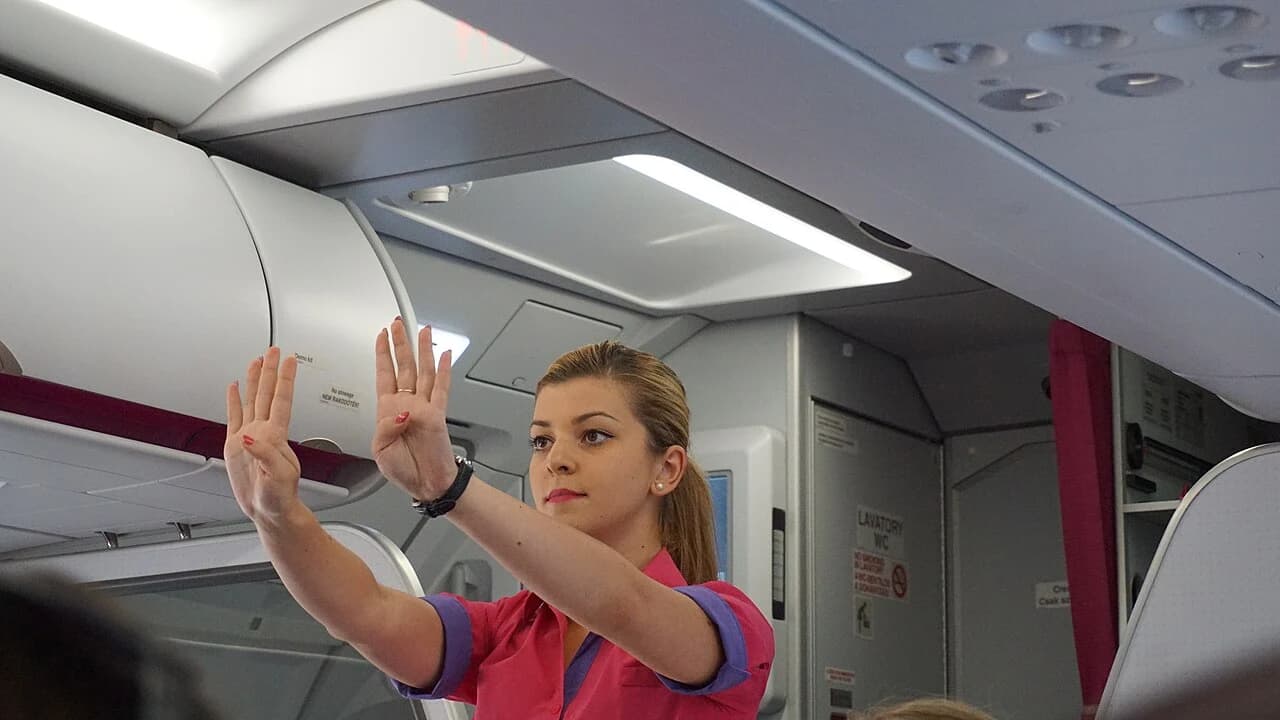
Support passenger safety, respond to emergencies and care for people on board.
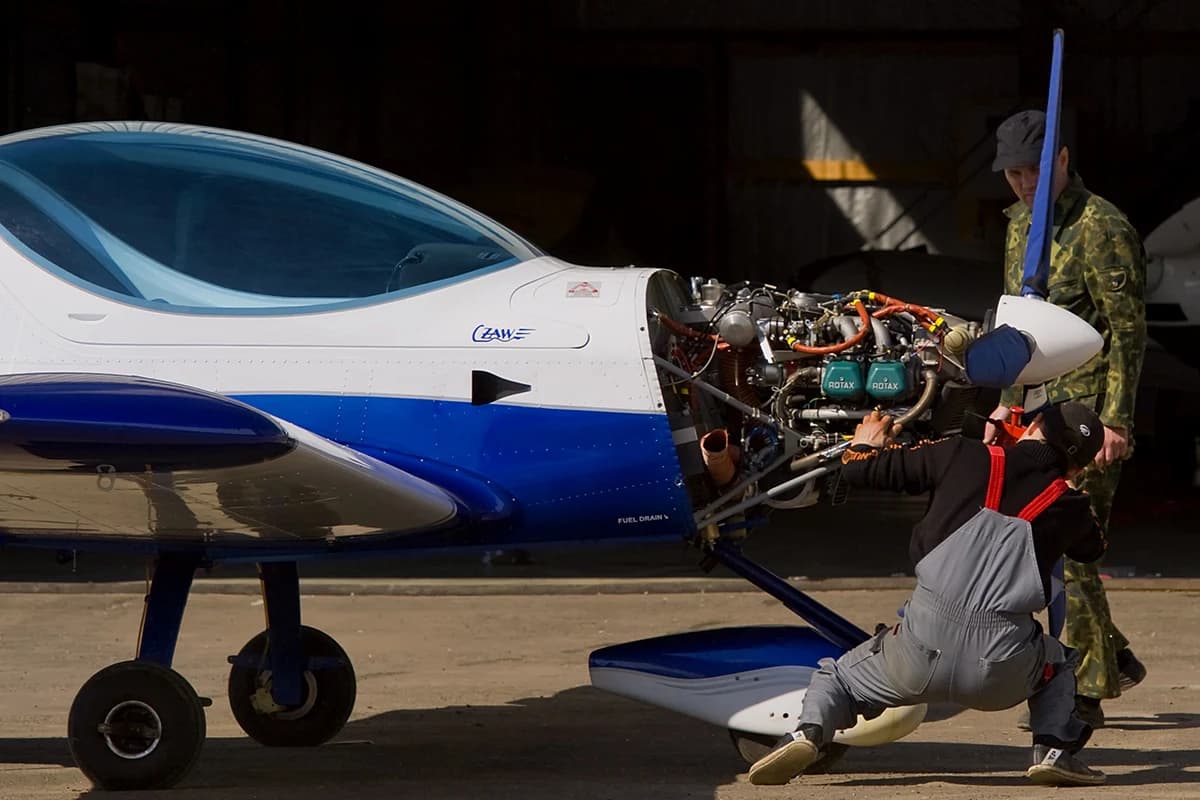
Inspect aircraft, diagnose faults and help keep them airworthy.
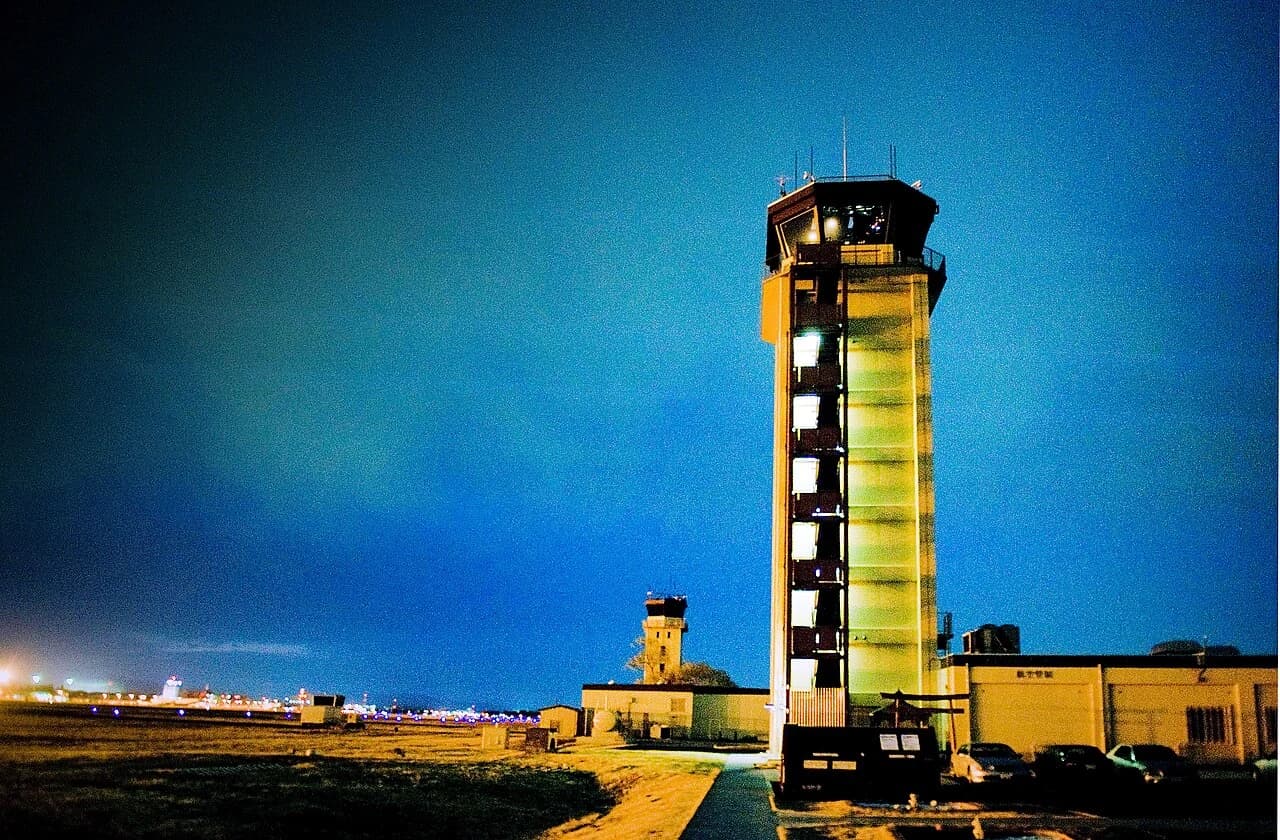
Help aircraft move safely through controlled airspace and around airports.
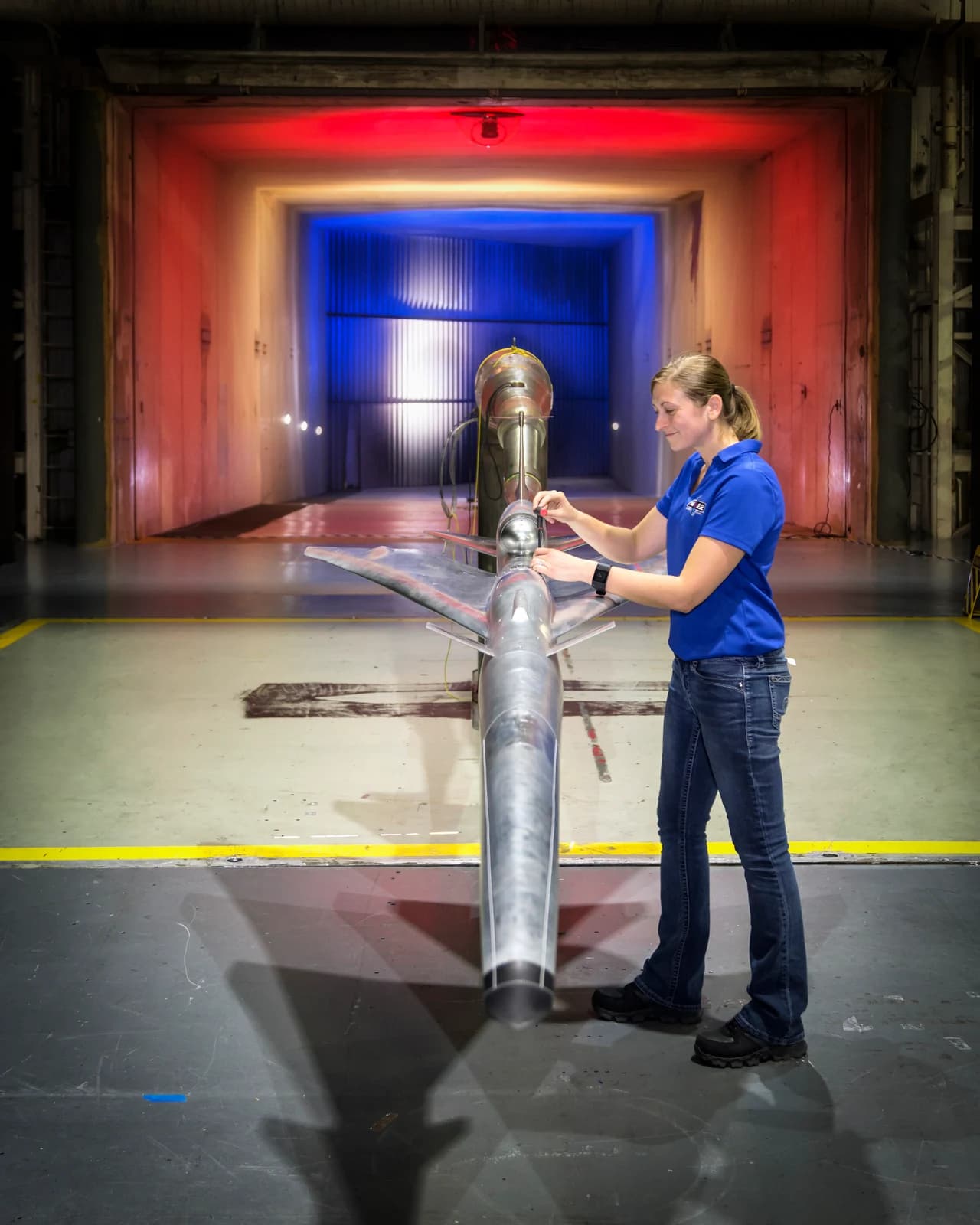
Apply science to the aircraft and systems that operate in the air and beyond.
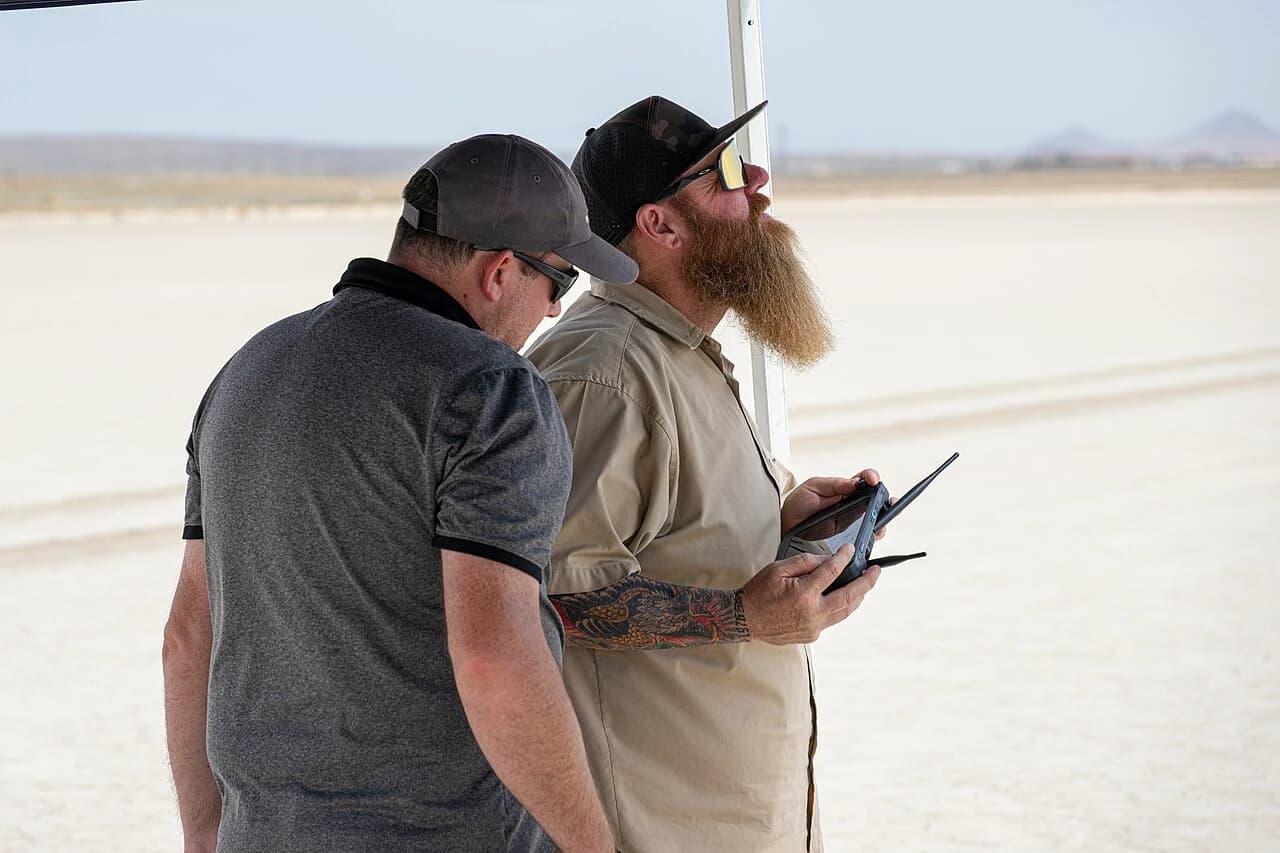
Operate unmanned aircraft and turn flight data into useful results.
Why this matters
Career aspiration is bounded by exposure. A student who has never met an aircraft engineer does not choose against that career — the option was never presented. We are not persuading students; we are widening the list they choose from.
African air traffic is projected to grow faster than the global average for the next two decades, while licensed engineers and controllers are in worldwide shortage. The jobs are arriving. The pipeline is not being built at the same speed.
'Why do we learn this?' is the hardest question in a Physics classroom. An aircraft answers it in a way no textbook can. Teachers consistently tell us the effect on engagement outlasts the visit by a term.
Inspiration that is not followed by specifics decays within a week. Every EduWings session ends with the concrete next step — the subject, the grade, the institution, the licence. That is the part that survives.
In their words
“I have sat through many careers talks. This was the first where students left holding a piece of paper with their own subjects on it and a specific thing to do about them. Two of my Form Threes changed their subject combination the following week.”
Grace Wanjiru
Head Teacher · Kyeleni Secondary School
“I always liked taking things apart but I thought that meant being a mechanic. Nobody had told me an aircraft has an electrical licence attached to it. I am eighteen months into the diploma now.”
Amina Hassan
Student · Aeronautical Engineering Diploma, Year 2
“The effect on my Physics class lasted a full term. They kept referring back to the wing they built. I have taught forces for eleven years and I have never had students argue about angle of attack unprompted.”
Peter Otieno
Teacher · St. Mary's Secondary School
“My daughter came home talking about becoming a pilot and I was worried about the cost. The parents' session was honest about it — and it introduced me to three careers I had never heard of that we can actually afford.”
Susan Kamau
Parent · Parent of a Form Two student
“I volunteered expecting to give a talk. What actually happened was ninety minutes of the sharpest questions I have been asked in years, including two I had to go away and check. I have been back four times.”
Dennis Kiprop
Partner · Licensed B1 Engineer, volunteer session leader
Coming up
8 October 2026
8 Oct 2026
Behind the terminal doors: the ramp, the operations centre and the roles that keep an international gateway moving.
14 November 2026
14 Nov 2026
Fourteen career pathways, thirty aviation professionals, and every training institution in the region under one roof.
Working with
Field notes
Ask a Kenyan classroom to name aviation jobs and you get two answers. There are fourteen. That gap is not a knowledge problem — it is an exposure problem, and it is fixable in an afternoon.
Meldah Magova · 18 June 2026
Teachers keep telling us the same thing after a visit: the students are asking better questions in Physics. Here is what we think is actually happening.
Meldah Magova · 22 May 2026
Aviation has a reputation for being unaffordable. For one career that is largely true. For the other thirteen it is a myth that quietly closes doors that were never locked.
Meldah Magova · 9 April 2026
Get Quotation
Tell us your school’s location, learner numbers and preferred modules. We will prepare a quotation for school-based teaching and a separately costed field trip after the modules.